BMT-06.03 Executive Summary#
BlueMirror.tech | May 2026#
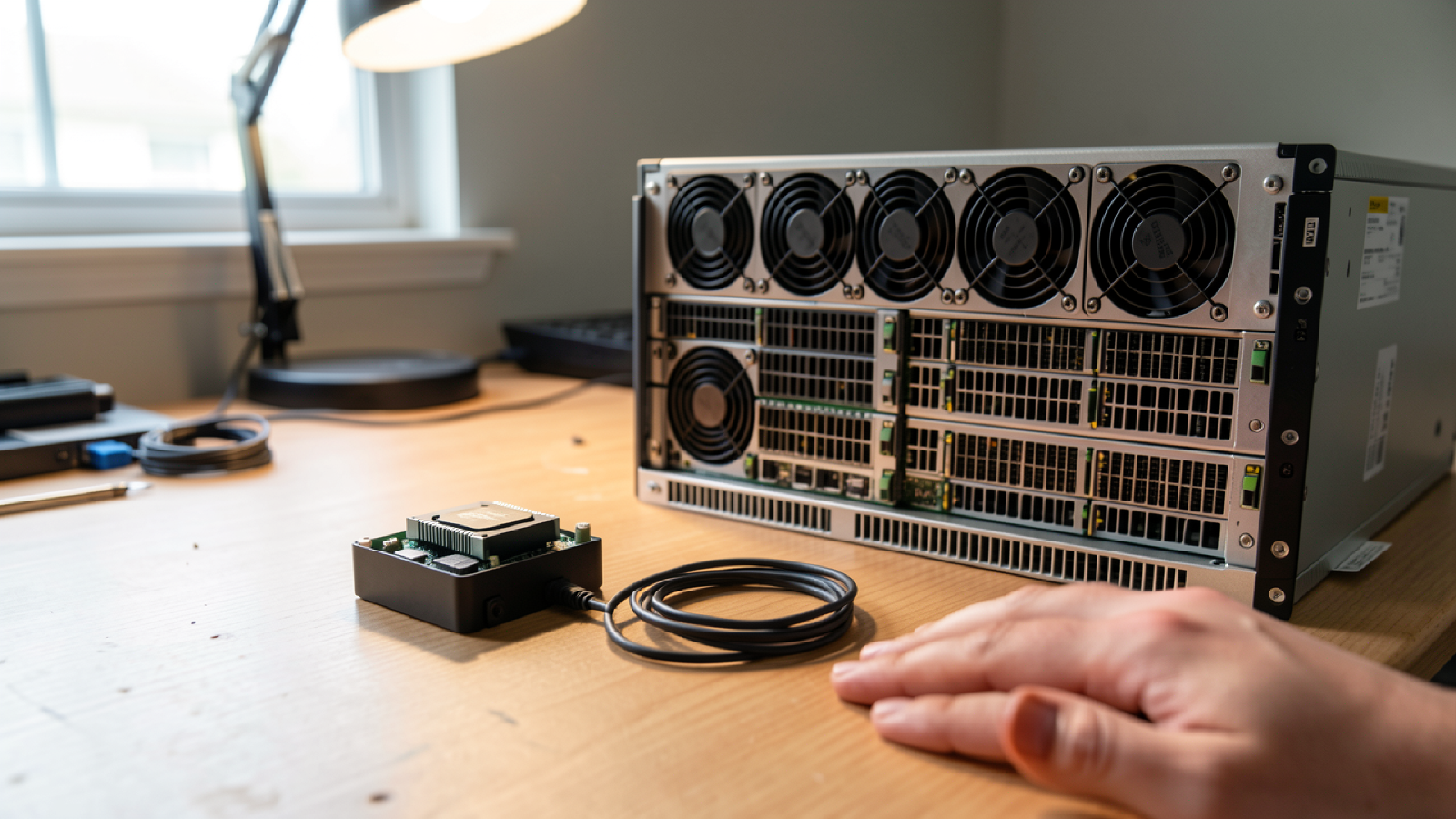
The architecture distributes intelligence across three zones. Zone 3 (the cloud reasoning layer) is always present. Zone 2 (a regional Community Pane node) is present where deployed. Zone 1 (a Local Pane in the home) is present where the subscriber has acquired one. This is not an “edge-first” architecture in the conventional sense, because edge intelligence requires hardware that not every subscriber will have. It is a three-zone architecture designed so that the deepest reasoning is available to every subscriber, with stronger privacy and lower latency available to subscribers who have access to Zone 1 and Zone 2.
Three requirements drive the decomposition, each satisfied differently for each deployment path. Privacy: for subscribers with a Local Pane, the most sensitive signals (cognitive state, emotional patterns, voice, safety screening) process locally and never transit anywhere. For subscribers without one, the same signals process at Zone 2 or Zone 3 under the consent architecture and a healthcare data processing agreement, with contractual rather than architectural protection. Latency: Zone 1 inference eliminates the network hop for safety-critical functions. For subscribers without a Local Pane, aggressive parallelism, caching, and prioritization close the tighter latency budget. Resilience: the Local Pane continues operating during network outages. For subscribers without one, network connectivity is required for every interaction, a real limitation of the Zone 3-only path.
FSSVA validates model performance across distributed devices by federating deviation signals, not data or weights. Sentinel mode reports scalar deviation scores. Active Surveillance triggers when thresholds are exceeded. The mode switching follows an epidemiological model: monitoring density increases around deviation clusters. The three-tier FSSVA topology (edge nodes, regional coordinators, cloud learning agent) keeps most validation traffic local.
Equity-aware monitoring weights FSSVA allocation inversely to device density. The honest limitation: monitoring detects quality disparities but addressing them requires training data improvements.
Zone 1 subscribers retain full capability for the eight privacy-critical models during offline conditions. Zone 2 and Zone 3 functions degrade but do not catastrophically fail. The MoC context layers cached at Zone 1 remain available offline.
The full article is available at BlueMirror.tech.